
Efficiency
How Does Automatic Box Selection Lower Packing Costs?
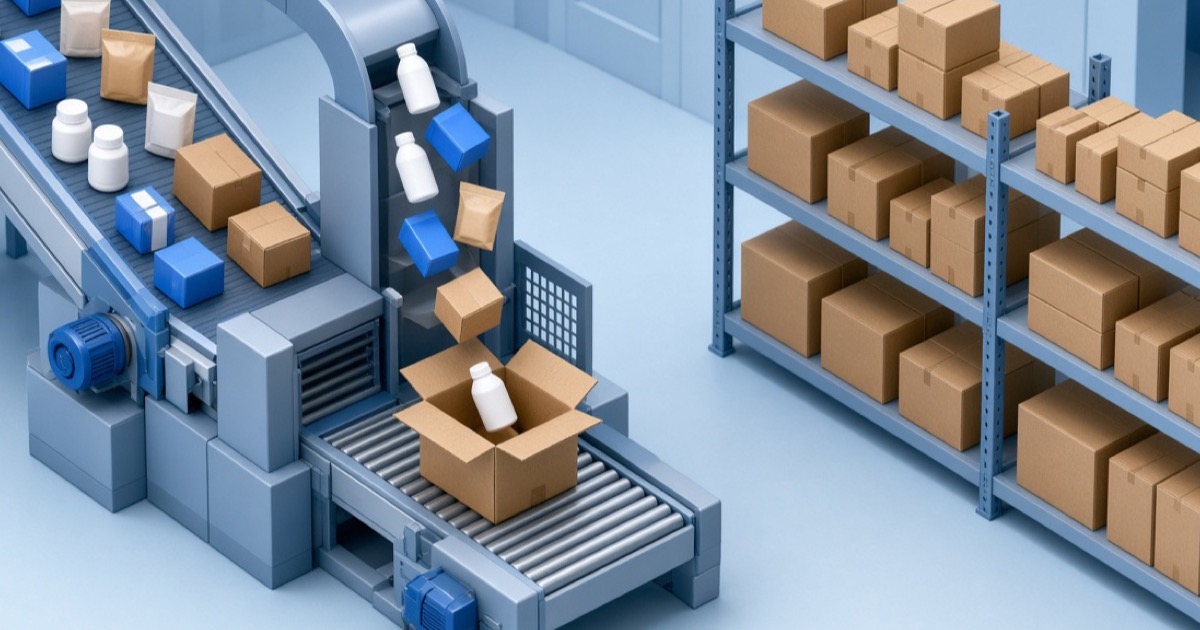
Choosing a box for every order at the pack station looks simple; at scale it creates hidden cost. Automatic box selection means the engine recommends a scored plan from the allowed box set and the packer trusts that plan.
The cost of manual selection
Packers choose different boxes across shifts. New hires read a cheat sheet; experienced staff say “always this mailer.” Inconsistency blurs fill-rate and cost metrics.
Oversize boxes waste dim weight, materials, and warehouse space. Every override is a data point—why did it happen?
How automatic selection works
The engine tries every allowed box and multi-package split. It applies 3D placement, weight limits, and rule-engine constraints. The winning plan is scored on fill rate, box count, and business rules.
The pack station sees box name, SKU list, and visual placement. Less debate; verify or flag an exception.
ROI signals
Track these in the first 30–60 days:
- Average fill-rate increase
- Boxes per order
- Pack time (seconds per order)
- Repack rate
- Support tickets (“wrong box” complaints)
Building trust on the floor
Automation does not remove the packer; it supports the decision. Inspector answers “why this box?” Shadow mode in the first week improves adoption.
WiCartonize produces automatic plans through the UI and integrations. Book a demo.
Should every recommendation be followed?
Exceptions happen in operations; what matters is that the default plan is correct and overrides are measured.
How many box types are enough for automation?
Usually 5–15 well-defined boxes outperform dozens of similar sizes.