WMS
Why Does Cartonization Matter in WMS Systems?
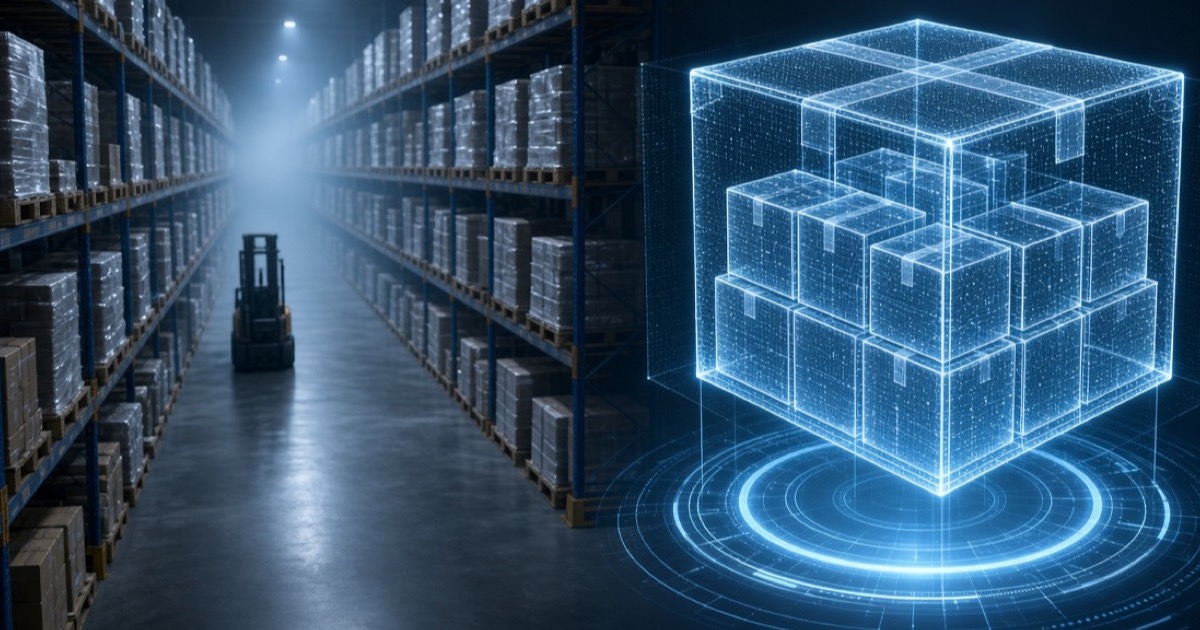
WMS (Warehouse Management System) is the backbone of the modern warehouse. Yet many WMS products solve package geometry with simple rules. Cartonization answers the question WMS often leaves open: “how does the physical package actually form?”
Typical WMS limits
Volume tables, predefined SKU→box maps, or a fixed “every order is one box” assumption are common. 3D collision, orientation, and multi-package optimization are usually missing.
Wave planning misses labor and carton estimates when package assumptions are wrong.
Role of cartonization
At wave release it supplies package count and box type, pack-station instructions, shipping-cost projection, and slotting inputs.
Coordinate-level plans enable pick-to-carton and visual pack-bench workflows.
Integration model
WiCartonize remains packing-focused SaaS; WMS keeps ownership of orders and inventory. Integration passes through a thin layer; business rules live in WiCartonize profiles and the rule engine.
Source: WMS integration checklist.
When is the WMS module enough?
Single SKU, single box, low mix, and tight dimensional standards may work with a simple map. As SKU variety and bundles grow, a cartonization layer becomes unavoidable.
The mixed-product scenario shows where that breaks.
My WMS vendor sells a cartonization module—do I need a second tool?
If the module produces real 3D placement and explainable plans, it may be enough; a volume table is not.
Can the pack station stay on the WMS screen?
Yes. Plans can be produced externally and written back to WMS as results.